
Nano Machine Hair Strokes vs Microblading: Which Is Right for Your Skin?
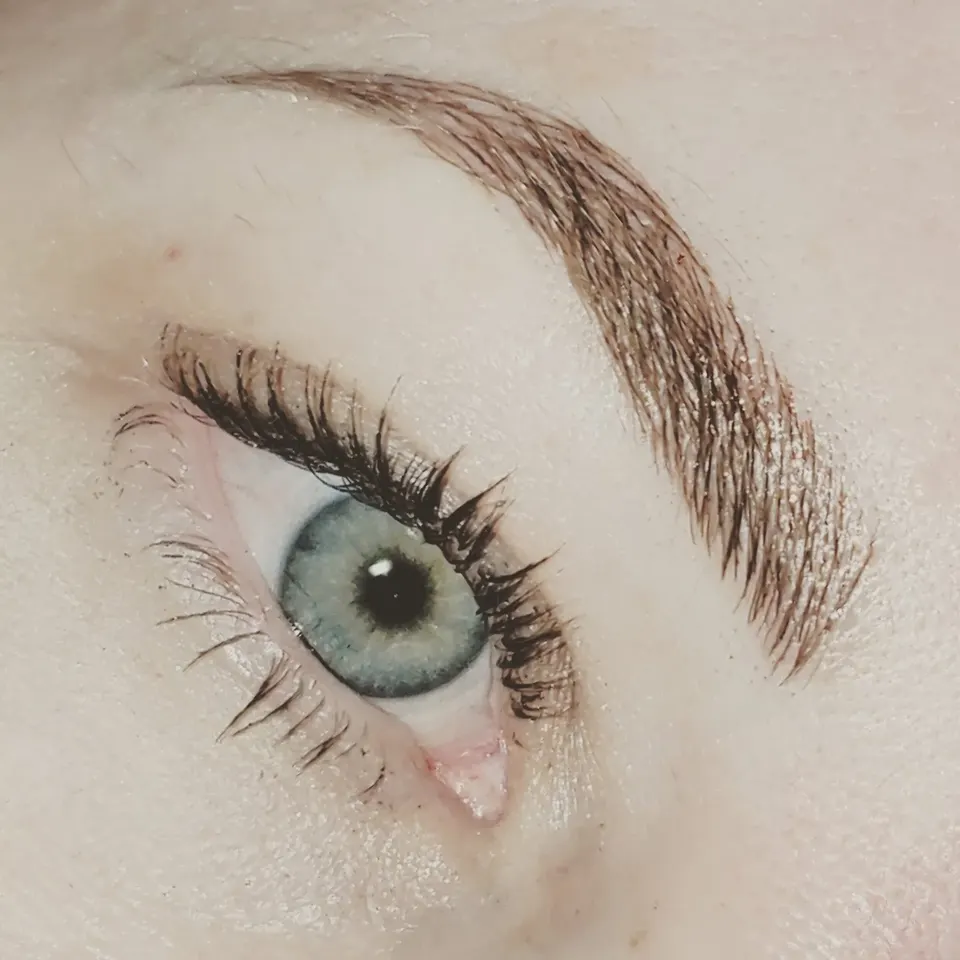
Choosing between Nano Machine Hair Strokes and microblading starts with a better question than “Which is trendier?” Ask which approach fits your skin, existing brows and desired finish. Both create the appearance of eyebrow hairs, but the tool is different—and a technique name alone cannot predict your result.
This guide helps you prepare for a brow consultation at iBrow Vixen in San Francisco or Petaluma. For a broader introduction to the techniques, visit our Nano Brows vs microblading overview.
The short answer: start with a skin assessment
Nano Machine Hair Strokes use a permanent makeup machine to create individual hair-like marks. Microblading uses a manual hand tool to create a hair-stroke effect. Neither label means every person with the same skin type should receive the same treatment. Skin condition, previous pigment, natural hair coverage and the amount of definition you want all belong in the decision.
If realistic hair detail is your priority, Nano Brows are an option to explore. If you prefer a more filled-in appearance, ask about shading too. The most useful recommendation explains both why a technique fits your brows and what its limitations are.
Oily, dry or combination skin: what should you discuss?
Oily or combination skin
Tell your artist where your skin tends to become oily, including whether the brow area behaves differently from your cheeks. Ask to see examples relevant to your skin and ask which photos show fresh work versus healed work. An attractive photograph taken immediately after treatment does not establish how fine marks will look later.
Avoid choosing solely from online claims that Nano Brows are always best for oily skin or that microblading never works on it. Ask what level of stroke separation and softness is realistic for you, and whether a shaded finish would better match your goal.
Dry skin or a changing skin-care routine
Explain whether your brows feel dry, flaky or irritated and bring a list of products you use around them. “Dry skin” is a broad description, not a complete assessment. Tell your artist about recent cosmetic procedures and prescription skin treatments. Ask your prescribing clinician before changing prescribed care; a blog article should not set your medication schedule.
Texture, sensitivity and visible irritation
If you have a skin condition, a history of unusual scarring or a concern about healing, discuss it before booking treatment and seek guidance from a qualified healthcare professional when needed. A cosmetic consultation does not replace medical assessment. Do not assume that a finer-sounding tool name removes tattoo-related risks.
Existing brow pigment can change the plan
Previous permanent makeup deserves its own conversation. Show your artist your brows without pencil or concealer and disclose earlier procedures, including work performed elsewhere. Dark or uneven existing pigment can affect whether new hair detail will be visible and whether the design you want is achievable.
Ask whether your brows are suitable for additional pigment now, whether a different finish makes more sense, or whether you need another professional assessment first. New strokes should not be presented as an automatic solution to every older brow tattoo.
Your preferred finish matters as much as the tool
Bring examples of brows you like, then identify the feature you want: a softer front, a more defined tail, additional visual density or individual hair detail. Also bring a photo of how you normally fill in your brows. This helps separate the style you admire in a photograph from the look you would enjoy wearing every day.
- Individual hair detail: explore Nano Machine Hair Strokes and discuss spacing, direction and how the design works with your natural hairs.
- Hair detail plus shading: ask about Hybrid Brows.
- A softly filled-in finish: compare Powder/Ombré Brows with stroke-based options.
No technique guarantees perfect symmetry or identical results from one person to another. A thoughtful design should account for your face and preferences rather than copy someone else’s brows.
Understand permanence, healing and safety before deciding
Both options involve cosmetic tattooing. The FDA’s Tattoos & Permanent Makeup fact sheet explains that tattooing carries risks including infection, allergic reactions and scarring, and that removal can be difficult. Fading does not mean pigment will disappear completely.
Ask how sterile equipment and pigment handling are managed and request written aftercare instructions before treatment. Discuss expected appearance changes, follow-up assessment and whom to contact with concerns. Follow individualized professional guidance rather than borrowing another person’s healing schedule. Seek medical advice for a suspected infection or reaction.
Five questions to bring to your consultation
- What do you see in my skin and existing brows that supports your recommendation?
- Can you show relevant examples and explain whether they are fresh or healed?
- Would strokes alone or a shaded technique better match the finish I want?
- How does previous pigment or my skin-care routine affect planning?
- What aftercare, follow-up and longer-term maintenance should I understand before deciding?
Plan your Nano Brows consultation in San Francisco or Petaluma
If you are comparing Nano Brows in San Francisco or Nano Brows in Petaluma, use the same priorities at either location: an individual assessment, a clear design discussion and realistic expectations. Share your skin concerns and previous brow history before committing to a technique.
Ready to discuss your options? Book with iBrow Vixen and bring your questions about Nano Machine Hair Strokes, microblading and the finish that suits your brows.